
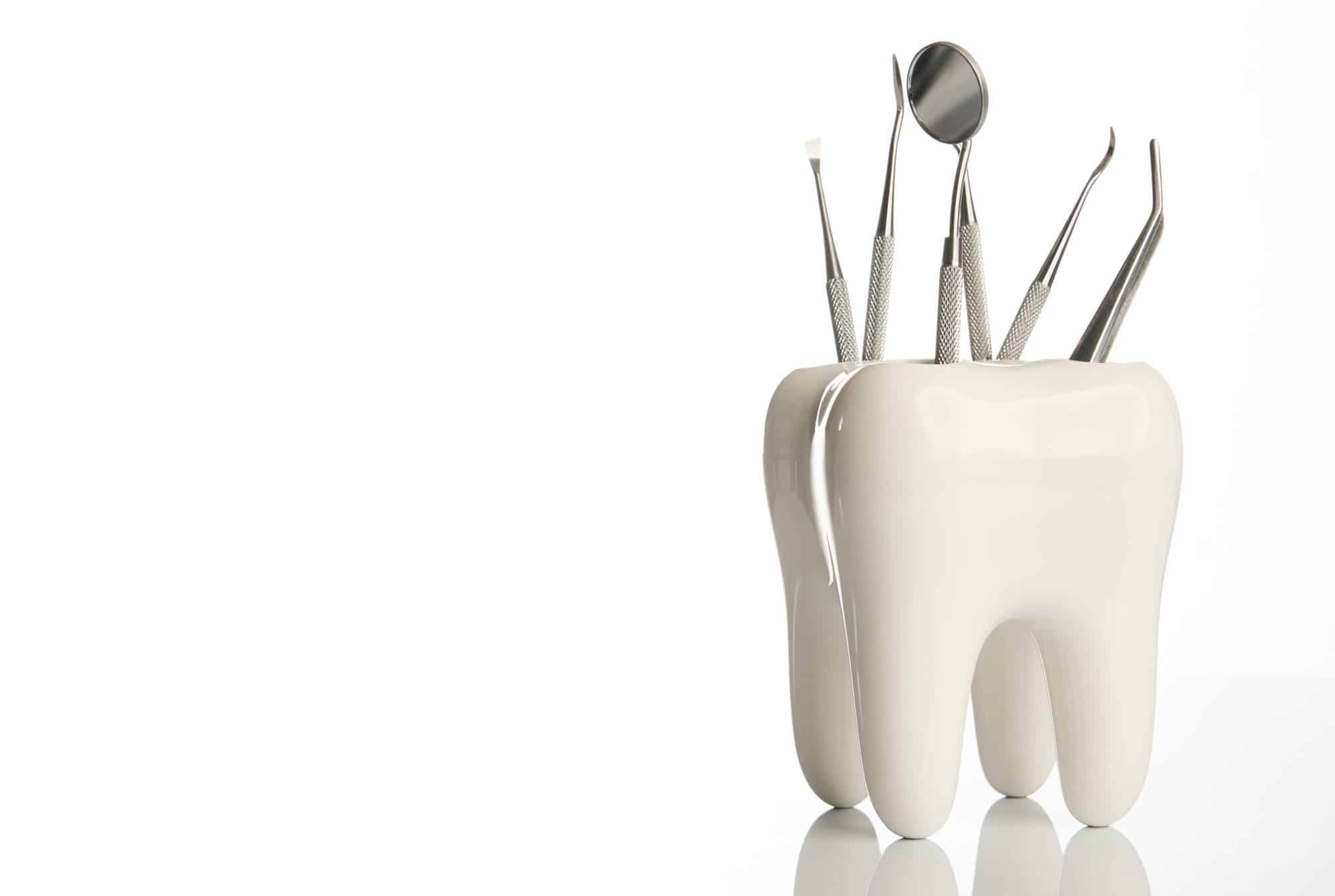
General dentistry isn’t what it used to be. Gone are the days of simple fillings and routine cleanings. Today, dental care is a dynamic field, brimming with technological advancements that make visits faster, more comfortable, and even a bit futuristic.
Let’s explore the most exciting innovations in general dentistry as of 2025 and what they mean for you.
AI in Dental Diagnostics: Smarter, Faster, More Accurate
Imagine a dental assistant who never tires, never misses a detail, and can analyze thousands of X-rays in seconds. That’s artificial intelligence (AI) in dentistry. AI algorithms now assist in diagnosing cavities, gum disease, and even early signs of oral cancer by analyzing dental X-rays and intraoral images with remarkable accuracy.
The Maulana Azad Institute of Dental Sciences in New Delhi has implemented an AI-powered scanner named ScanOair to enhance diagnostic efficiency and decrease patient wait times. This scanner is equipped to identify common dental conditions such as tooth decay, gum inflammation, and teeth misalignment, thereby streamlining the diagnostic process.
These tools aren’t meant to replace your dentist. Instead, they enhance their ability to detect issues early, leading to more effective and less invasive treatments. It’s like having a supercharged second opinion, right there in the exam room.
Laser Dentistry: Precision Without the Pain
Laser technology in dentistry isn’t new, but it’s developing into a mature technology that is trending in 2025. More general practices are investing in lasers for procedures such as cavity preparation, gum reshaping, and teeth whitening. Unlike traditional drills, lasers can often treat teeth with less discomfort, reduced need for anesthesia, and faster healing times.
Many dental clinics now incorporate cutting-edge laser technology into everyday care to reshape gums or remove diseased tissue with pinpoint accuracy while protecting healthy areas and reducing the risk of complications. Patients who feel anxious about drills or needles often find laser procedures more comfortable and less intimidating.
Teledentistry: Dental Care at Your Fingertips
Teledentistry has grown from a pandemic necessity to a convenient option for many patients. Through secure video calls, dentists can consult with patients about symptoms, provide follow-up care, or offer advice on whether an in-person visit is necessary.
According to the American Dental Association (ADA), teledentistry not only expands access to care but also helps reduce costs for patients and clinics by eliminating unnecessary office visits (ADA).
This approach is especially beneficial for those in rural areas or with mobility challenges, making dental care more accessible than ever before. Plus, it saves time and can be more affordable.
Biomimetic Restorations: Restoring Teeth, Naturally
Traditional fillings and crowns are strong, but they do not always mimic the natural structure of teeth. Biomimetic dentistry focuses on using materials and techniques that replicate the natural properties of enamel and dentin.
Biomimetic dental materials aim to better reproduce the appearance, morphology, and strength of natural teeth while encouraging tissue regeneration. These restorations aim to preserve as much of the natural tooth as possible while enhancing durability and reducing future fractures. Patients benefit from more natural-looking, durable restorations that support long-term oral health.
Regenerative Dentistry: Growing Teeth Back?
One of the most exciting areas of innovation is regenerative dentistry. Researchers are exploring how stem cells and bioactive materials can encourage the regrowth of dentin, pulp, and even entire teeth.
A 2025 clinical trial at the University of Pennsylvania is testing a hydrogel infused with mesenchymal stem cells to regenerate jawbone in patients with severe periodontal damage. The gel, injected into the affected area, provides a scaffold for the stem cells to proliferate and differentiate into bone-forming cells called osteoblasts. Early results show significant bone regrowth within six months, potentially reducing the need for invasive grafting procedures.
While much of this research is still in early stages, the potential to regenerate natural tooth structures instead of replacing them with artificial restorations could dramatically change the future of dentistry.
Smart Toothbrushes and At-Home Technology
Prevention is just as important as treatment, and new smart toothbrushes are helping patients take better care of their teeth at home. Many of these devices connect to mobile apps that track brushing habits, offer personalized feedback, and even detect areas that patients may be missing.
The Centers for Disease Control and Prevention (CDC) continues to emphasize that effective home care, including proper brushing and flossing, is one of the most important steps in preventing cavities and gum disease. Smart toothbrushes make it easier for people to stick to good habits and monitor their oral health daily.
The Future: Keratin-Based Toothpaste
A groundbreaking study from King’s College London has discovered that keratin, a fibrous protein found in human hair and sheep’s wool, could be a breakthrough ingredient in dental care. Their study, published in Advanced Healthcare Materials, shows that when keratin interacts with minerals like calcium and phosphate in saliva, it forms a coating that mimics the structure and strength of natural tooth enamel.
This innovation could lead to the development of toothpaste or professional dental gels that not only prevent decay but also actively repair and strengthen tooth enamel. While still in early stages, this keratin-based treatment may be available in a few years as part of toothpaste, mouthwash, or professional dental gels.
Take Away
These innovations in general dentistry are designed with patients in mind. They focus on earlier detection, minimally invasive treatments, improved comfort, and long-term oral health.
While not every dental office will adopt all of these technologies immediately, many are becoming standard parts of care across the United States. Staying informed about these advancements can help patients ask the right questions during appointments and make more confident decisions about their care.
This article was written for WHN by Dr. Megan Peterson Boyle, a cosmetic dentist at Dental Studio 101. As a leader in the field of cosmetic dentistry and full mouth rehabilitation in Scottsdale, she understands the anxiety related to dental care and has made it her goal to deliver treatment in a relaxing environment. Outside of the practice, she enjoys spending time with her husband, Garrett, and their three young children. She loves any time spent outdoors, cooking, exercising, and any do-it-yourself project!
As with anything you read on the internet, this article on dentistry should not be construed as medical advice; please talk to your doctor or primary care provider before changing your wellness routine. WHN neither agrees nor disagrees with any of the materials posted. This article is not intended to provide a medical diagnosis, recommendation, treatment, or endorsement.
Opinion Disclaimer: The views and opinions expressed in this article are those of the author and do not necessarily reflect the official policy of WHN/A4M. Any content provided by guest authors is of their own opinion and is not intended to malign any religion, ethnic group, club, organization, company, individual, or anyone or anything else. These statements have not been evaluated by the Food and Drug Administration.
link